

Every communication professional faces pressure. Public relations professionals protect reputations, marketers compete for attention, and social media managers battle algorithms and public opinion. Yet one of these types of professionals continues to face a threat that the others rarely encounter: the risk of violence for simply doing their job.
As such, journalism remains the world’s most dangerous communication profession in 2026.
Ironically, journalism is also one of the most criticized professions. Journalists are routinely accused of bias, misinformation, sensationalism, or ethical failures. Such criticism is important because it holds the media accountable. However, these debates often overshadow another reality: many journalists continue to risk—and sometimes lose—their lives while pursuing facts that powerful people would rather keep hidden.
Unlike other communication professionals, journalists frequently work where danger exists. They investigate corruption, organized crime, political scandals, terrorism, civil unrest, and war. Their responsibility is not to promote an organization, but to question those in power. That responsibility often comes with severe consequences.
Local politics is one of the most underestimated sources of danger. National political leaders receive international attention, but local reporters often work without significant institutional protection. Exposing corruption in municipal governments, illegal land deals, election fraud, or criminal networks can make journalists direct targets of intimidation. In many countries, threats begin with online abuse and surveillance before escalating into physical attacks or murder.
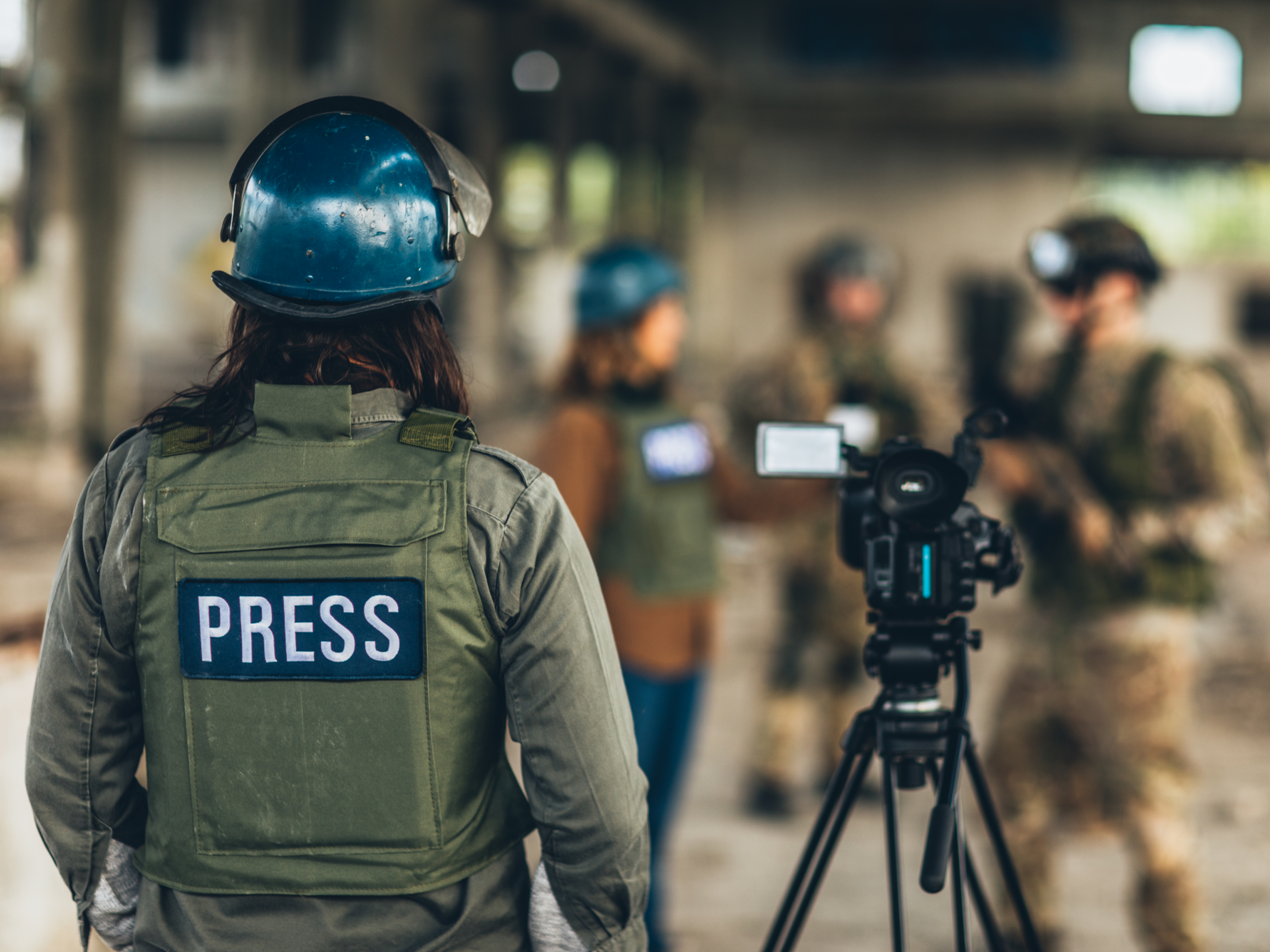
Terrorism and armed conflicts create another deadly environment. Journalists covering extremist groups or war zones face kidnappings, bombings, crossfire, and targeted killings. They are expected to document events that the rest of the world cannot witness firsthand. The camera and notebook become as essential—and sometimes as dangerous—as military equipment.
The numbers illustrate the scale of the risk. According to the Committee to Protect Journalists (CPJ), 129 journalists and media workers were killed worldwide in 2025, making it the deadliest year since the organization began collecting data in 1992. More than 100 of those deaths occurred in conflict zones, while the cumulative number of journalists killed since 1992 now exceeds 2,500.
The danger is not limited to killings. Around the world, journalists continue to face arrests, assaults, surveillance, online harassment, lawsuits designed to silence reporting, and threats against their families. Female journalists often endure additional gender-based abuse on social media, creating psychological risks that extend beyond the newsroom.
The United States presents a different picture. American journalists generally do not face the same level of lethal violence experienced in many conflict zones or countries with weak rule of law. Strong constitutional protections under the First Amendment provide important safeguards. However, safety concerns have still increased. Reporters covering protests, elections, and politically polarized events have experienced various forms of abuse. The danger in the U.S. is usually less about systematic killings and more about a climate of intimidation that can discourage independent reporting.
No profession should be romanticized. Journalism has flaws, and ethical standards must always be enforced. But, criticism should not blind us to the sacrifices many reporters make every day. When journalists dive deep into turbulent territory, they are performing a public service that strengthens democratic accountability.
In an era dominated by communication, journalism remains unique because its primary loyalty lies with the public’s right to know. That commitment often places journalists in a dangerous position where few others in the communication industry are willing—or required—to stand.
Sources:
Journalism has never been a more dangerous pursuit | Julian Borger | The Guardian
