Workplace apparel often defines professionalism based on what is mainstream. Many individuals from underrepresented groups refer to this practice as “code-switching,” as they navigate coming out of the margins. If we allow for professional environments to categorize variations in identity as ‘inappropriate’, the workplace further perpetuates the belief that certain behaviors, cultures, and identities are not valued. This cements the influence of social constructs on hiring, firing, promotions, harassment, and other benefits.
Reform that promotes inclusive definitions of “professionalism” in work environments, over-implementing standards towards assimilation, work no longer blurs the lines between ethical conduct and oppressive practices.
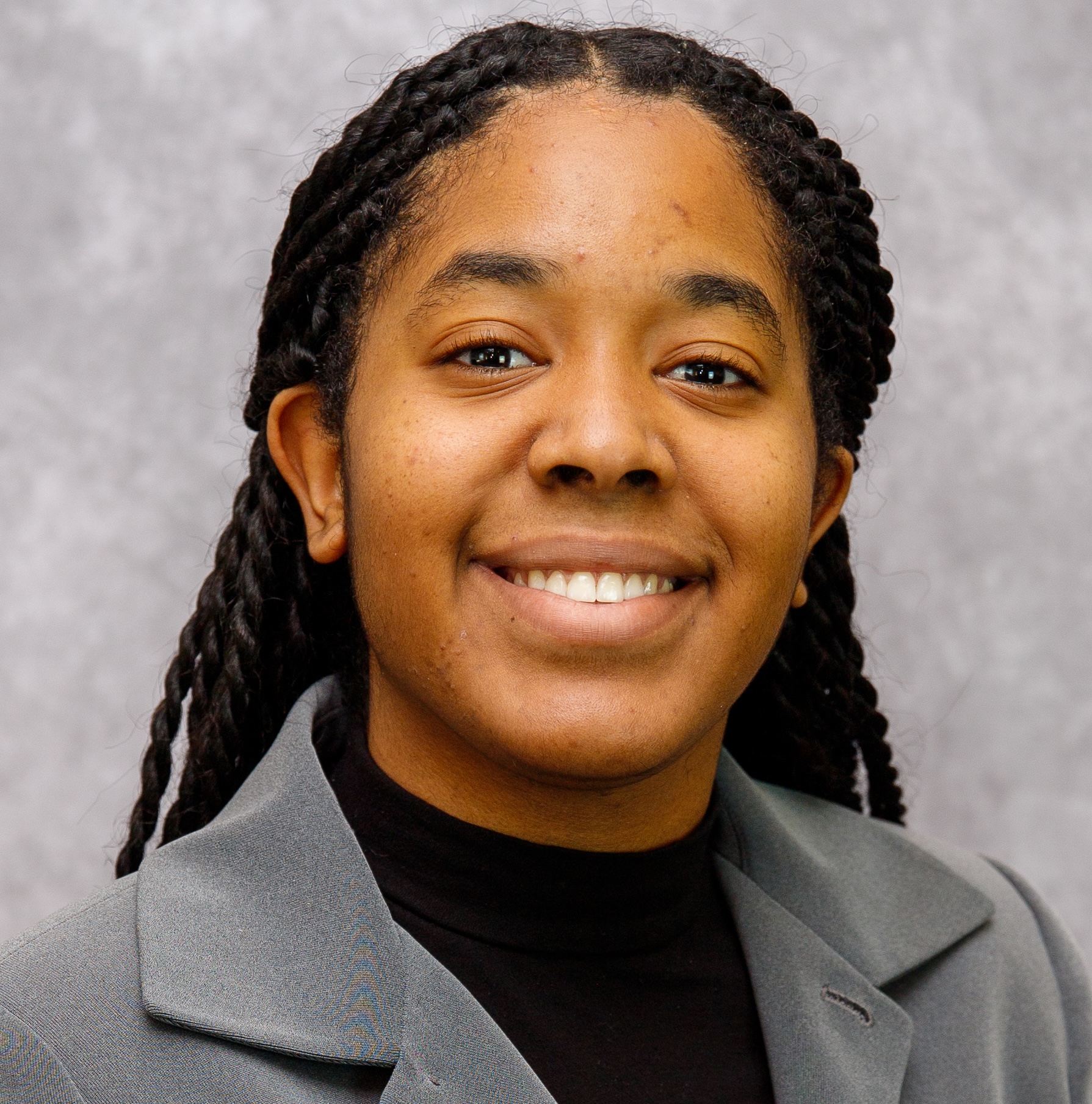
When I was growing up, professional spaces often influenced me to reshape how I presented myself. For picture day, I had to get my hair straightened to feel my best. Within primary school extracurriculars, I played a part to mirror the leaders. While I did not feel like I was being oppressed, I was, in fact, suppressing my identity to be accepted. Once I celebrated my natural crown in 2016, I began to merge my holistic identity in every environment of my life, instead of being a chameleon for the eyes of others.
For those whose identities are not so easily hidden or adjusted, society must expand its standards to serve everyone— not just the majority.
To combat this, the U.S. passed the Civil Rights Act (1964) to prohibit employment discrimination. “Title VII” of this act set a precedent that included religious garb and established a baseline for future legislation to advance work environment social justice reform (eeoc.gov).
There have been mirrored applications of civil rights discourse in modern definitions through court rulings and laws.
Take, EEOC v. Abercrombie & Fitch (2015), where the Supreme Court ruled against a retailer for refusing to hire a Muslim applicant because her hijab violated their “Look Policy” (supreme.justia.com). Or the CROWN Act (Creating a Respectful and Open World for Natural Hair) prohibiting race-based hair discrimination in workplaces and schools. It originated in California in 2019, and by 2024, more than 20 states had passed versions of it (naacpldf.org).
This societal shift expands definitions of professionalism in ways that are more multiculturally appropriate; not by pulling people into a single mainstream mold, but by recognizing identity expression by their respective communities.
Our current society demands that social constructs be noticed and deconstructed. In deconstructing America’s caucasian-centric fashion culture as “professional”, workspaces must begin to release their grips on uniformity to account for broader definitions of workplace attire.
For example, Black employees should have the opportunity to define what constitutes ‘Black professionalism’, and other expressions —whether that includes natural hairstyles, traditional clothing, tattoos, or other expressions of identity— should be recognized and respected without facing penalty.
For the generation of tomorrow, we must tailor towards a multitude of lived experiences. Within the workplace, this begins with expanding what professionalism looks like; so coworkers and executives can value one’s qualifications at hand, separating dress code from employee performance.
Bibliography
https://www.naacpldf.org/crown-act/
https://www.eeoc.gov/statutes/title-vii-civil-rights-act
1964 https://supreme.justia.com/cases/federal/us/575/768/
Acknowledgement: The opinions expressed in this article are those of the individual author, not necessarily Our National Conversation as a whole.