

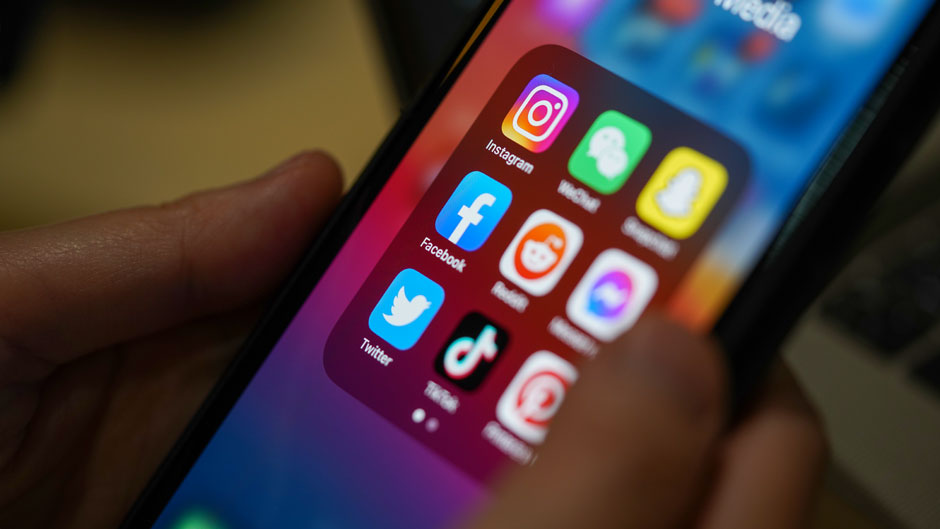
In recent months, the issue of banning anyone under 16 from social media has sparked heated debates, with countries such as Australia and the U.K. implementing or considering such policies. Understandably, these measures have been unpopular, as many young people want to use social media, and there are concerns about excessive government overreach.
I believe that addressing teenage social media usage is an important step, but the way governments are approaching this issue is ineffective.
For too long, adults have focused on keeping children safe in the physical world. However, the real danger for children and teens today often comes from the virtual space rather than the physical one. Every day, young people are exposed to potentially harmful content, such as extremism, pornography, and addictive algorithms. While it’s easy to suggest that children should simply spend more time outdoors, a generation raised on the notion of avoiding risks in the outside world is unlikely to heed that advice.
Given that many children and teens will inevitably spend considerable time online, it is essential for governments to regulate social media and the internet to protect them. While I think an outright ban on social media is excessive, the existing vague guidelines, which corporations often ignore, aren’t helping.
I believe the first step should be for governments to enforce a strict ban on social media for anyone under 13. This rule is commonly established by social media platforms but rarely enforced, which exposes children as young as 10 to online dangers. If governments cannot even enforce such a basic rule, how can we expect anyone to respect a broader social media ban?