

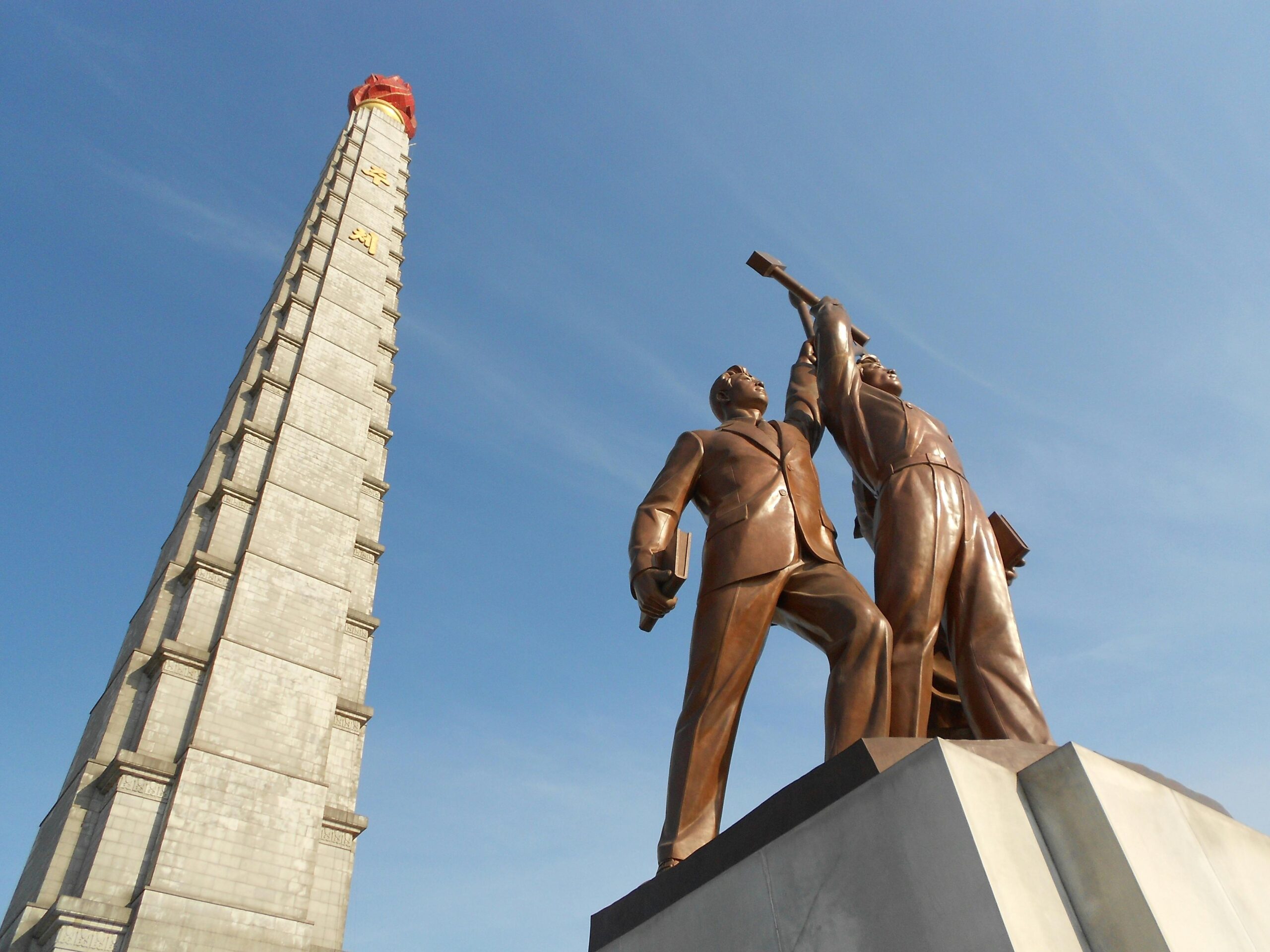
Tensions on the Korean Peninsula have remained at a standstill following the signing of the armistice agreement between the North and the South in 1953. As the decades passed, the Peninsula became a hotbed for Soviet-American proxy conflict, with the Soviets reinforcing the communist regime headed by Kim Il Sung in the North, while the U.S. supported the development of the capitalist South.
Today, much remains unchanged since the separation of the two. The nepotism of the Kim dynasty in the North has led to widespread bureaucratic corruption, incompetency and violent nuclear saber-rattling directed toward America and its regional allies.
While the South constitutes a bastion of free enterprise, wealth and great personal liberty, Pyongyang remains a disproportionately problematic player on the global stage for America and the West.
The Kim dynasty presents a danger to U.S. interests in East Asia. The so-called “hermit kingdom” remains a global wild card. Aggressive militarism, anti-American propaganda and veiled threats of mass destruction are all signature calling cards of the regime.
Since the signing of the armistice agreement in 1953, the country has retreated from the wider international community, rejecting integration into the rules-based international order in favor of authoritarianism and “juche,” the Korean word for self-reliance. Juche comes at a cost though—the Kim regime pays for it in blood, the blood of its own citizens.
Western sanctions led by the United States are the tool of choice to combat North Korea. Sanctions represent a form of soft power with which the U.S. can apply pressure on Pyongyang to engage in de-escalation and denuclearization talks.
America’s positioning on the matter reflects a desire to maintain the regional peace associated with the current rules-based order. Rogue players like North Korea risk upsetting the balance of power in Asia. Any attempt by the North to reunify the Peninsula under the Kim dynasty would come at the cost of a high death toll and disastrous economic consequences for the U.S. and its regional allies such as South Korea and Japan.
Given the levels of belligerence exhibited by Pyongyang over the last 75 years, it is no surprise that the U.S. takes a stringent approach to its foreign policy. Until recently, North Korea was the most heavily sanctioned country in the world (that title is now reserved for Russia).
Washington constantly measures risk and reward in its relationship with Pyongyang, asserting a tough line on nuclear and human rights-related issues, while ensuring that the regime is not provoked to an extent that would warrant an attack on South Korea or a wider regional escalation.
Acknowledgement: The ideas expressed in this article are those of the individual author.
