

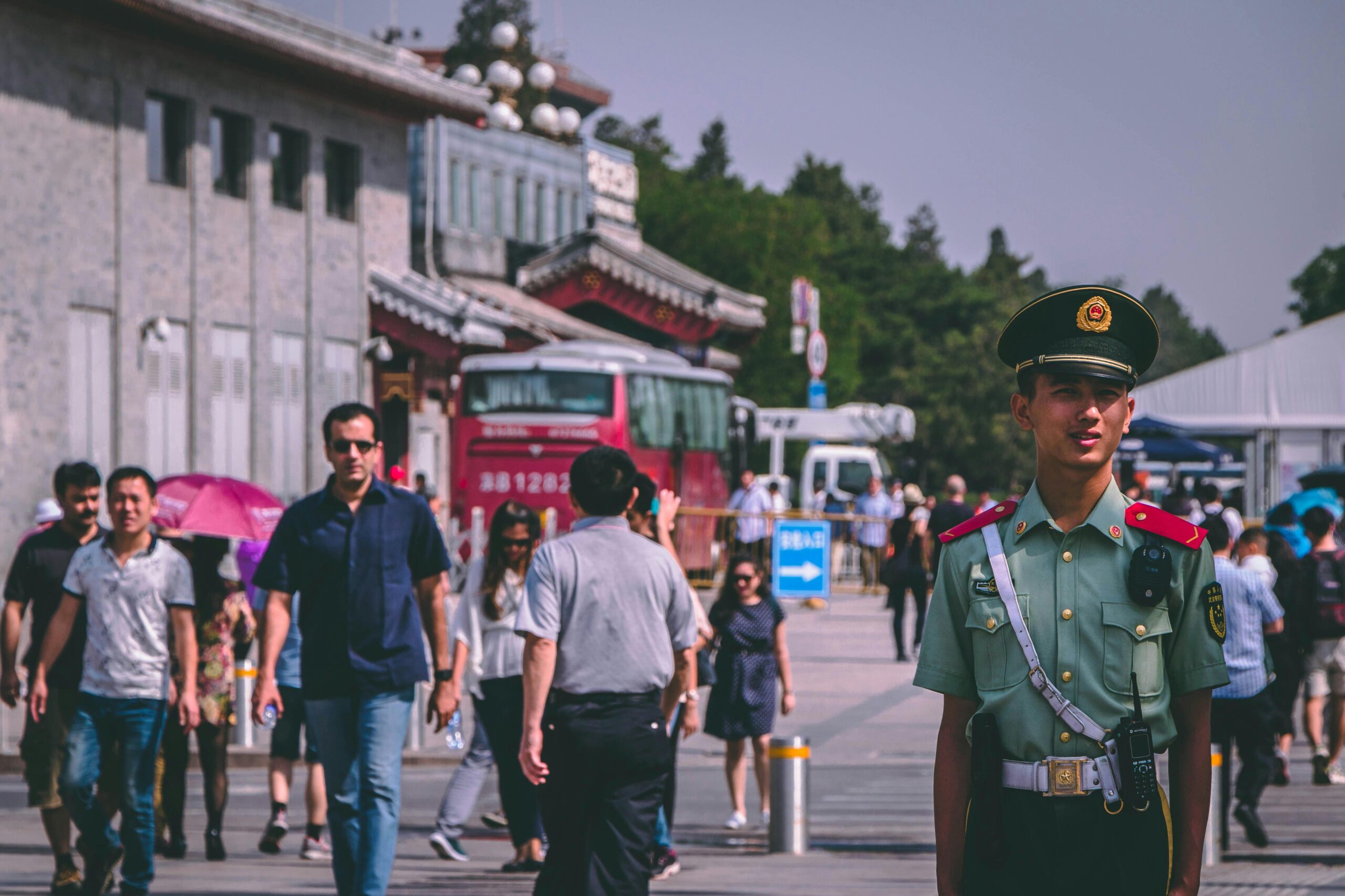
China: a country once disregarded as agrarian and poor. That’s changed.
China’s meteoric rise has captured international attention. The country now stands in direct competition with the United States for economic and political supremacy on the global stage. How did such a rural and impoverished country undergo such a rapid transformation?
Contemporary Chinese attitudes are best viewed through a historical lens. Throughout the 19th and mid-20th centuries, China suffered economic exploitation and military defeats by numerous foreign powers.
This series of conflicts ushered in what is referred to by the Chinese as the “century of humiliation.” It represents a turning point in Chinese history for the worse, with both the country’s economy and ability to project influence suffering major setbacks. This is the framework that continues to shape modern Chinese political thought to this day.
China’s current president, Xi Jinping, seeks to right the wrongs suffered by his nations at the hands of those who sought to exploit China for gain in the past. And so, a radical transformation of Chinese society has been underway since his inauguration in 2013, expanding industrial capacities, capitalizing on China’s market potential as a harbinger of wealth for the country and rapidly developing Chinese military capabilities.
Beijing’s newfound influence and capacity to project power are a worrisome development for the U.S. President Xi and the Communist Party of China have identified the current period of rising global turbulence as an opportune moment to export Chinese autocracy, an alternative to Washington’s democratic rules-based order.
China’s success in the modern world can be traced back to its market reforms under Chinese President Deng Xiaoping, beginning in the late 1970s. These reforms were incremental in nature, slowly transitioning China’s centralized command economy into a free and open economic system.
With a market economy came wealth. Chinese companies began to rapidly grow, providing jobs, technological innovation and the rise of the middle class. China’s economic success has seen a large increase in its military expenditures, providing it with the means to challenge U.S. global hegemony.
Recent successes have also led to China’s Belt and Road initiative, a massive infrastructure project spanning multiple countries and continents. The project aims to build a “new Silk Road,” a combination of ports, railways and other trade infrastructure, giving the Chinese leverage over global trade functions. However, many have criticized the transnational initiative as a “Chinese debt trap”.
Many participating nations accept Chinese loans to build infrastructure, creating jobs and economic growth in these otherwise poor, third-world countries. However, not all participants are capable of paying back these massive loans in full, resulting in the repossession of these assets by Chinese companies.
This is the position China finds itself in today, one of wealth, increasing amounts of influence and lofty, but perhaps questionable ambitions.
Acknowledgement: The ideas expressed in this article are those of the individual author.
