

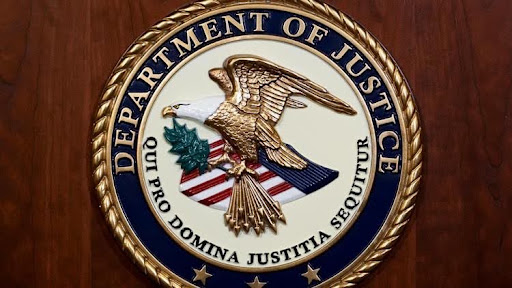
As of Oct. 5, the Justice Department had filed 40 denaturalization cases in federal courts, where judges will determine whether sufficient evidence exists to revoke the individuals’ citizenship. Those born U.S. citizens generally cannot be denaturalized because they did not obtain citizenship through naturalization.
Although the 40 individuals have been convicted of various crimes – including sexual offenses against minors and voluntary manslaughter – the denaturalization proceedings are separate civil lawsuits according to Attorney General Todd Blanche.
According to federal law under 8 U.S.C. § 1451, citizenship can be revoked if it was obtained illegally or through the willful concealment of material facts or willful misrepresentation during the naturalization process.
However, the government cannot simply take away someone’s citizenship because they have committed a crime. It must establish legally sufficient grounds for denaturalization rather than rely solely on a criminal conviction. This is important because citizenship is a serious legal status, and the government must follow the law when seeking to revoke it.
According to the Justice Department’s announcement on Oct. 5, the Justice Department filed 40 denaturalization cases against naturalized U.S. citizens in multiple federal courts between Aug. 21 and Oct. 2. The department described this as the largest number of denaturalization complaints filed during a single period under the Trump administration. However, the department also acknowledged that the allegations in these proceedings have not yet been resolved by the courts.
I believe that people who knowingly break the law should be held accountable for their actions. Criminal conviction and the loss of citizenship are two separate matters, and one does not automatically mean the other will happen. The U.S government has to respect the legal process and see that every case is backed by evidence.
Ultimately, these cases will depend on the evidence presented in court and whether the government can meet its legal burden. The goal should be to hold people accountable when the law has been violated while also protecting the rights of individuals who have legally obtained their citizenship.
As these cases move forward, the court decisions could help clarify how denaturalization laws are applied in future proceedings. Judges must evaluate the legal grounds and evidence in each case individually to determine whether the Justice Department has provided sufficient evidence to justify revoking a person’s citizenship.
Acknowledgement: The opinions expressed in this article are those of the individual author, not necessarily Our National Conversation as a whole.