

Democracies depend on the freedom to criticize governments and political systems.
Calling the U.S. a symbol of capitalism, criticizing American foreign policy, or describing political struggles through the lens of “American imperialism” is not, by itself, extremism. But when political disagreement turns into hatred of an entire nation or its people, when violence is glorified, and propaganda replaces critical thinking, it creates an environment in which radicalization becomes easier.
Twenty-five years after 9/11, that distinction matters more than ever.
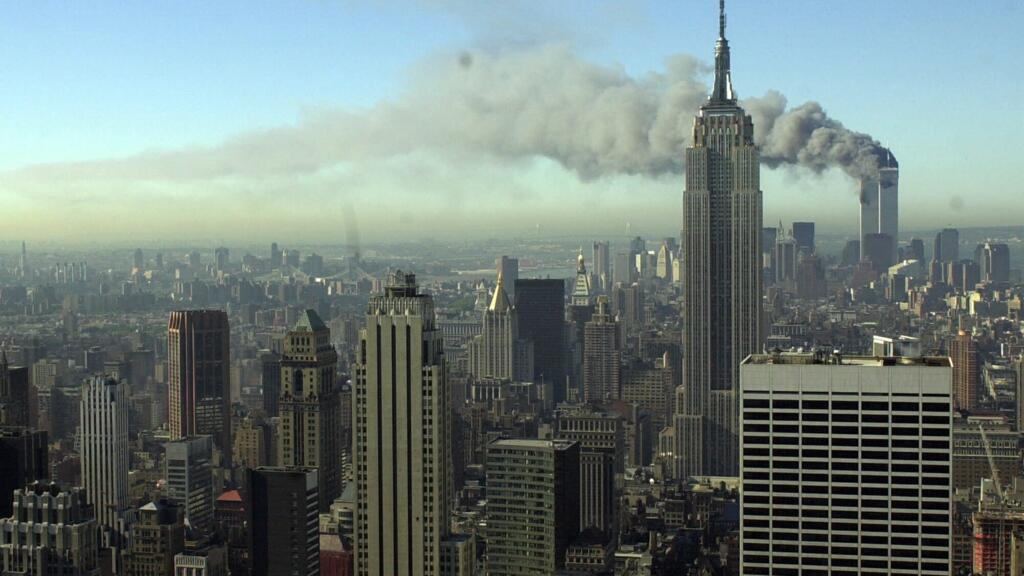
On September 11, 2001, the United States experienced the deadliest terrorist attack to ever occur on its soil. The World Trade Center and the Pentagon, symbols of America’s economic and military power, were targeted by terrorists determined to strike at the heart of the country.
More than 3,000 people died, including Indian nationals. Most had no connection whatsoever to the political conflicts invoked by the attackers. They were workers, passengers, first responders, visitors, and ordinary people who happened to be in the wrong place on a terrible, extraordinary day.
Behind every number was a human being, a family, and a lost future.
Yet 25 years later, the language surrounding terrorism and political violence remains deeply troubling. The media created an unprecedented platform for propaganda, conspiracy theories, and ideological extremism. Messages built around hatred travel across borders within minutes, reaching young people who may not have the experience or knowledge to distinguish political analysis from manipulation.
Radicalization rarely begins with someone deciding to become a terrorist overnight. It begins much earlier—with the repeated demonization of an entire population, the romanticization of violence, the rejection of opposing viewpoints, and the belief that a political or religious cause justifies any means.
That is why the lesson of 9/11 cannot end with simply “remember the victims.” It must also foster a larger understanding of how hatred is cultivated.
Terrorism cannot be accepted just because its perpetrators claim to fight for a certain political cause. The same moral standard must always apply, regardless of who commits the violence or whom they claim to represent.
The ongoing war involving Hamas and the broader conflict in the Middle East demonstrate precisely why that principle is necessary. Ideology cannot justify attacks against civilians and the deliberate use of terror. At the same time, governments and military operations must remain open to legitimate scrutiny. Opposing terrorism does not mean abandoning human rights, accountability, or the right to question state power.
The same standard should apply when examining Iran and its relationships with militant organizations. Rather than blind loyalty to either side, these issues deserve serious, evidence-based examinations.
None of this means the United States or Western democracies are beyond criticism. They are not. Their governments have made mistakes and should be questioned, challenged, and held accountable.
But there is an important difference between criticizing a government and dehumanizing an entire society.
A free society gives people the right to criticize capitalism, American foreign policy, religion, political leaders, and virtually every other institution. That freedom is not a weakness. It is a defining characteristic of democracy.
Young people especially need the tools to discern legitimate political criticism from extremist propaganda. They need to question what they see online, verify information, and resist narratives that reduce complicated conflicts to simple battles between “good” and “evil.”
Twenty-five years after 9/11, remembering the victims should mean more than holding ceremonies and observing anniversaries. It should mean rejecting terrorism regardless of its ideology and questioning propaganda, regardless of where it comes from. It means refusing to allow hatred to become another generation’s political inheritance.
The victims of 9/11 deserve to be remembered not only for how they died, but for the lives, families, and futures that were stolen from them.
Let the victims rest in peace.
And let the next generation inherit a world with less hatred, less radicalization, and ultimately, less terrorism.

2 Comments
Very impactful article! It’s important to remember and honor the past while being able to learn and grow for the sake of our future.
Thanks Catherine! Yes, we should never forget 9/11 as we carry the scars and must understand the future threats.