
American Healthcare is Far From Free-Market Capitalism
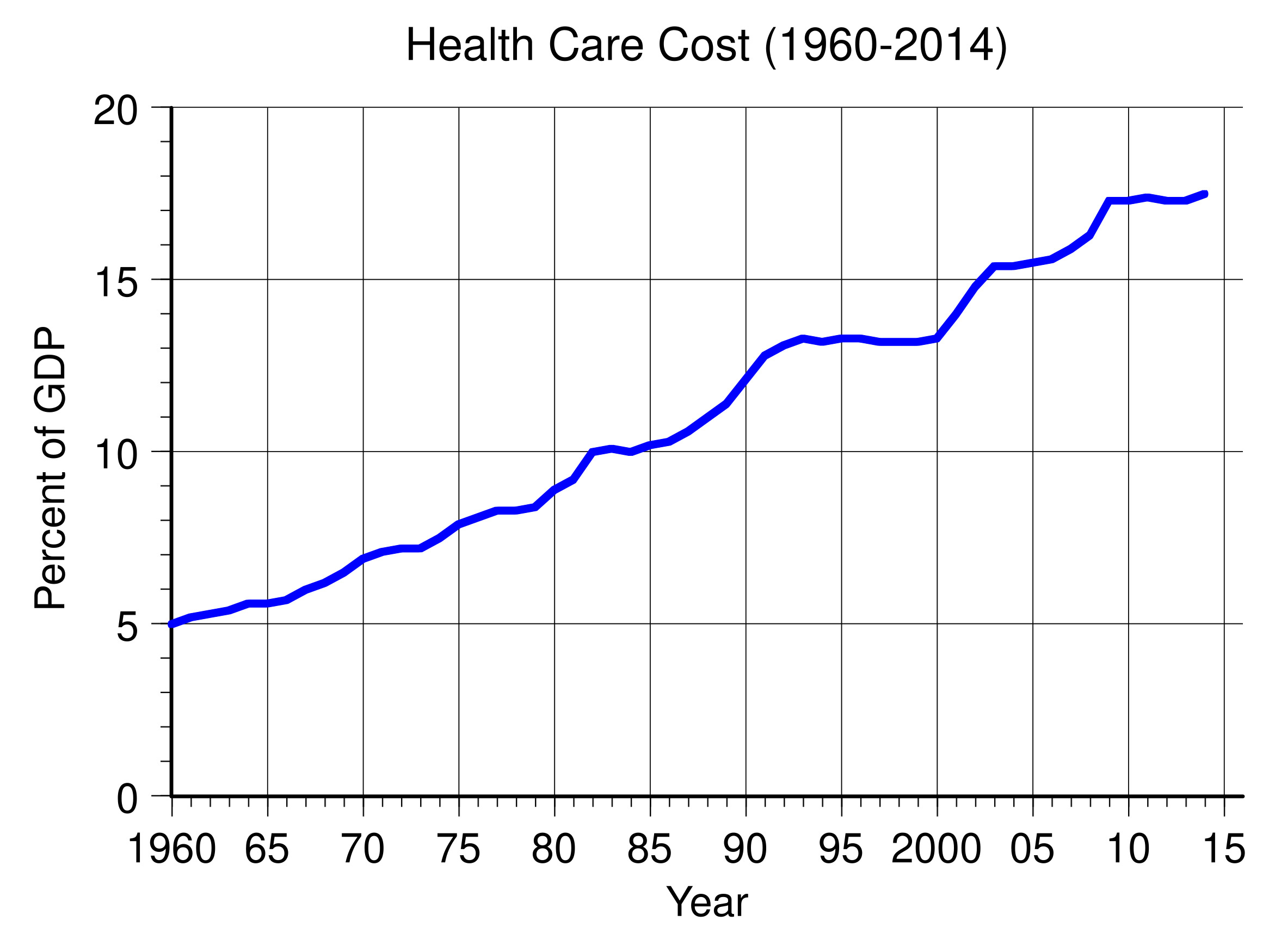
It’s no secret that the American Healthcare System is in dire need of reform. Especially in terms of healthcare costs, it stands out like a sore thumb compared to the rest of the world. Adjusted for population and GDP, the United States spends far more than any other country in this sector. This has remained true during and after major health crises such as the COVID-19 pandemic, despite America’s population being far from the most elderly. Americans, on average, pay many times more for including appendectomies, cesarean sections, and coronary surgeries than people in countries of similar economic development. Life expectancy and infant mortality in the United States are among the worst in industrialized countries, and the former has even declined during many years in the 21st century. Furthermore, a significantly larger share of the American population frequently declines treatment due to prohibitive cost or is financially constrained by medical bills in comparison to other developed countries. Clearly, this massive fortune has miserably failed to meet the needs of America’s population.
Progressive Proposals
Every election cycle, the debate for healthcare reform is dominated by the progressive wing of the Democratic Party. Members and allies of this faction, such as Vermont’s Senator Bernie Sanders and New York’s Representative Alexandria Occasio-Cortez, argue for drastically increasing federal spending on public healthcare programs, replacing private insurance that many Americans use. Proposals that call for this include Senator Sanders’s Medicare-for-All at the federal level or state-level Public Insurance Options introduced in Oregon and Minnesota. The former would make healthcare services free at the point of service due to full federal funding for virtually every hospital in America. These taxpayer-funded models would resemble state-operated systems that exist in other developed countries. Examples include single-payer models used in Canada and universal public insurance provided in Belgium and France. In some European countries, such as the United Kingdom and Nordics, the national and regional governments not only fully fund most hospitals, but even operate them directly.
The Price of “Free” Healthcare
But these proposals would only add to the hundreds of billions of dollars spent by the federal, state, and local governments on existing healthcare programs such as Medicare, Medicaid, and Veterans Affairs’ benefits. In fact, even when only looking at public healthcare expenditures, the United States still is an outlier. And although Americans would not need to buy private health insurance under these proposals, their taxes would increase sharply instead, which is what allows many European countries to operate their systems. Given the massive backlash that resulted from the Affordable Care Act’s tax penalties and individual insurance mandate, it is likely that these massive taxes would weaken the attractiveness of universal healthcare proposals. Furthermore, although healthcare services often cost less in the aforementioned countries, access to them is frequently restricted by longer and prohibitive waiting times. Brits and Canadians, on average, have to wait over four times as long to access emergency room treatment. In addition, long-term improvements in healthcare technology and innovation, which many hospitals eagerly fund, are overwhelmingly concentrated in the United States. Proponents of expanding government intervention in healthcare must be careful to consider long-term effects of their proposals on quality of care delivered and received.
Intellectual Property Monopolies (Pharma)
Prescription medications, such as blood thinners and insulin, have been no exceptions to the high expenditures of Americans on staying healthy. But this is not the result of a competitive free market for their production. Rather, the market for pharmaceuticals is an oligopoly, in which a few major corporations such as Pfizer, Johnson and Johnson, and Gilead control most of the supply. This is a result of aggressively maintaining their hold on patents for the drugs that they produce, long after the drugs were first invented, through a process known as “evergreening.” As a result, they are able to keep their market power and collude to raise prices to maximize their profits, resulting in millions of Americans rationing their medications. Therefore, allowing older versions of the drugs, which are similar in quality, to be sold after their patents expire instead of protecting Big Pharma’s grip on productions of all versions would result in far lower prices for Americans in a competitive market.
Certificate of Need Laws
Similarly, in most states, hospitals require a “Certificate of Need” to even be constructed. Once again, this reduces competition among hospitals, allowing the few who are allowed to run and freely operate to jack up their prices for services. These laws do not only apply to hospital construction, but also to nursing homes, and even to additions of equipment to medical facilities.
Price Transparency
Recent moves by President Trump and his cabinet during both of his administrations have forced hospitals to publish information about their pricing for their services, which was often hidden and difficult to access before. Although some of these actions are relatively recent and have not been fully implemented yet, consumers will soon have easier access to information about out-of-insurance-network pricing and on changes to in-network pricing.
Reducing Administrative Costs
Currently, Physician Owned Hospitals are severely regulated by the Affordable Care Act, and they only take out-of-pocket payments from patients and private insurance, rather than from Medicare, Medicaid. As a result, their administrative costs are far lower, and they are able to offer services for lower list prices, often up to 33%. Numerous federal regulations have resulted in an inflated count of hospital administrators. When more money is spent on caring for patients rather than keeping track of finances and negotiating business deals, the needs of the American people will be met.
Acknowledgement: The opinions expressed in this article are those of the individual author, not necessarily Our National Conversation as a whole.