
Lindsey Clancy was prescribed thirteen medications by six different doctors when she murdered her three children and then attempted suicide. Clancy’s actions are her own, but behind the horror is a broader cautionary tale of industrial recklessness. Women are disproportionately prescribed SSRI medications with little consideration for reproductive harm, hormonal interactions, and adverse side effects. Each of the medications prescribed to Clancy by trusted white-coat “experts” has publicly cited downsides, including addiction, psychosis, suicidal ideation, self-harm, and increased depression and anxiety.
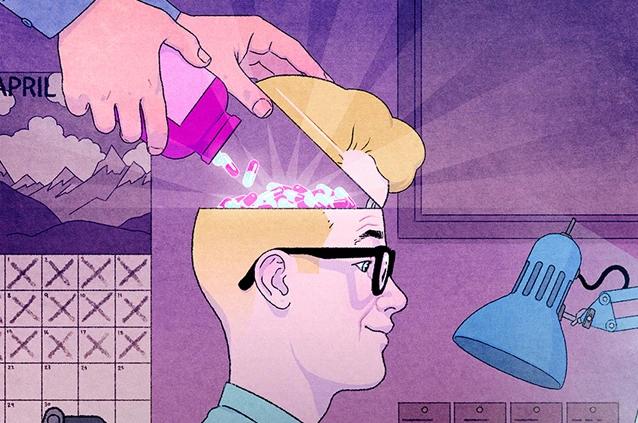
As younger generations turn away from alcohol and substance use, substance use is being repackaged. Treating pharmaceuticals as a frontline intervention instead of a last resort deceptively pushes drug dependence as risk-free onto an unsuspecting public. When a complex mental health crisis is given a pill-form solution, it oversimplifies a cultural burden.
Wanting an easy answer is human nature. More often than not, the quickest fix isn’t the right one.