

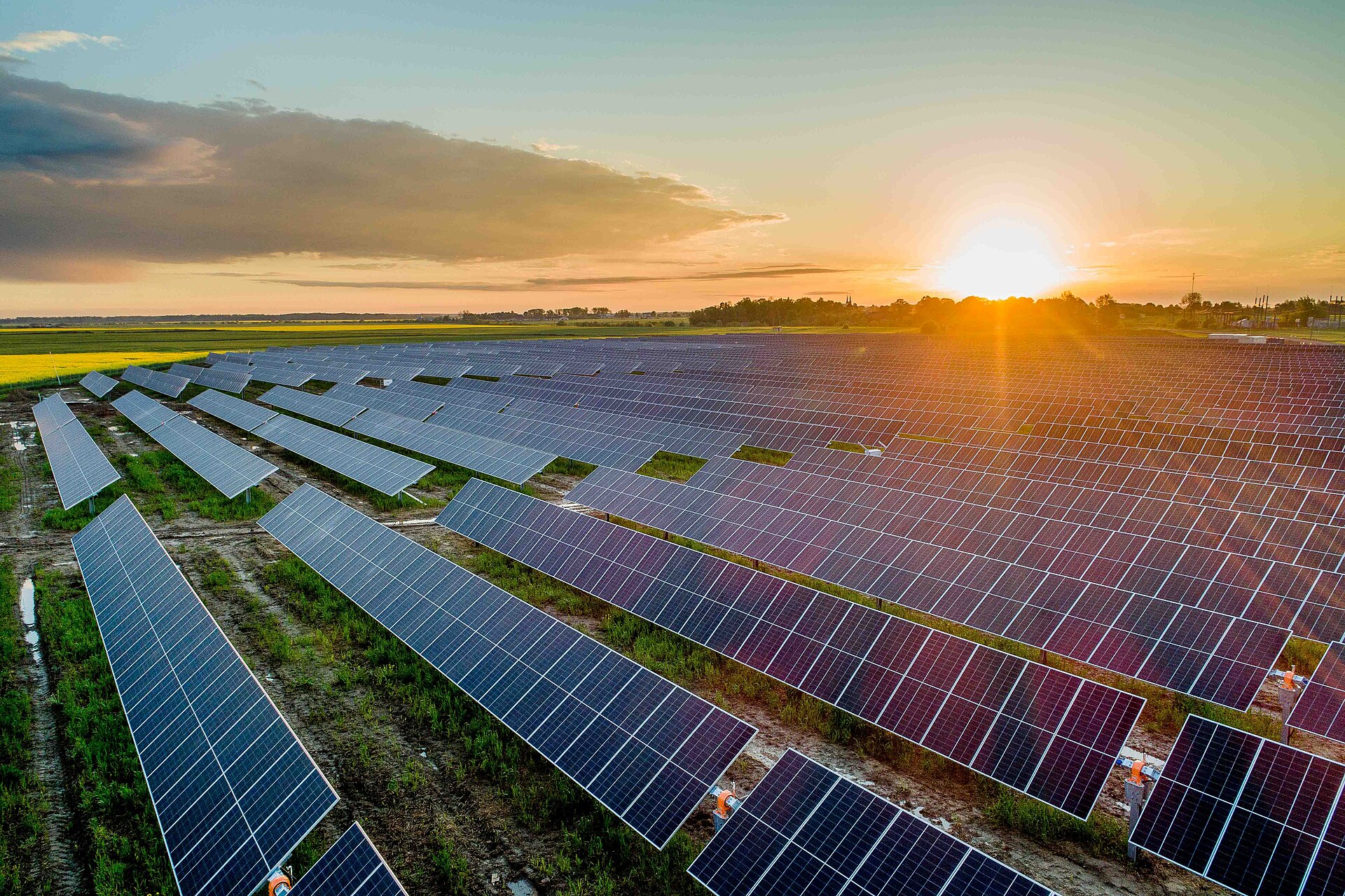
The metals in solar panels often become toxic waste. Wikimedia Commons
Solar energy is widely lauded as a clean source of electricity for communities, in contrast to fossil fuel usage that emits large masses of greenhouse gases during generation. But solar power plants don’t eliminate waste, but rather delay its creation. After their lifespan, their toxic metal components of lead, mercury, and cadmium require careful disposal, as recycling them is too expensive to be economically sustainable. Furthermore, high costs per unit of solar electricity will only add to the energy inflation that households have faced amidst this year’s surge in oil prices if it replaces cheaper sources like nuclear and natural gas. Ultimately, solar power is far from reliable in its current form, and will require major innovation to become viable.