

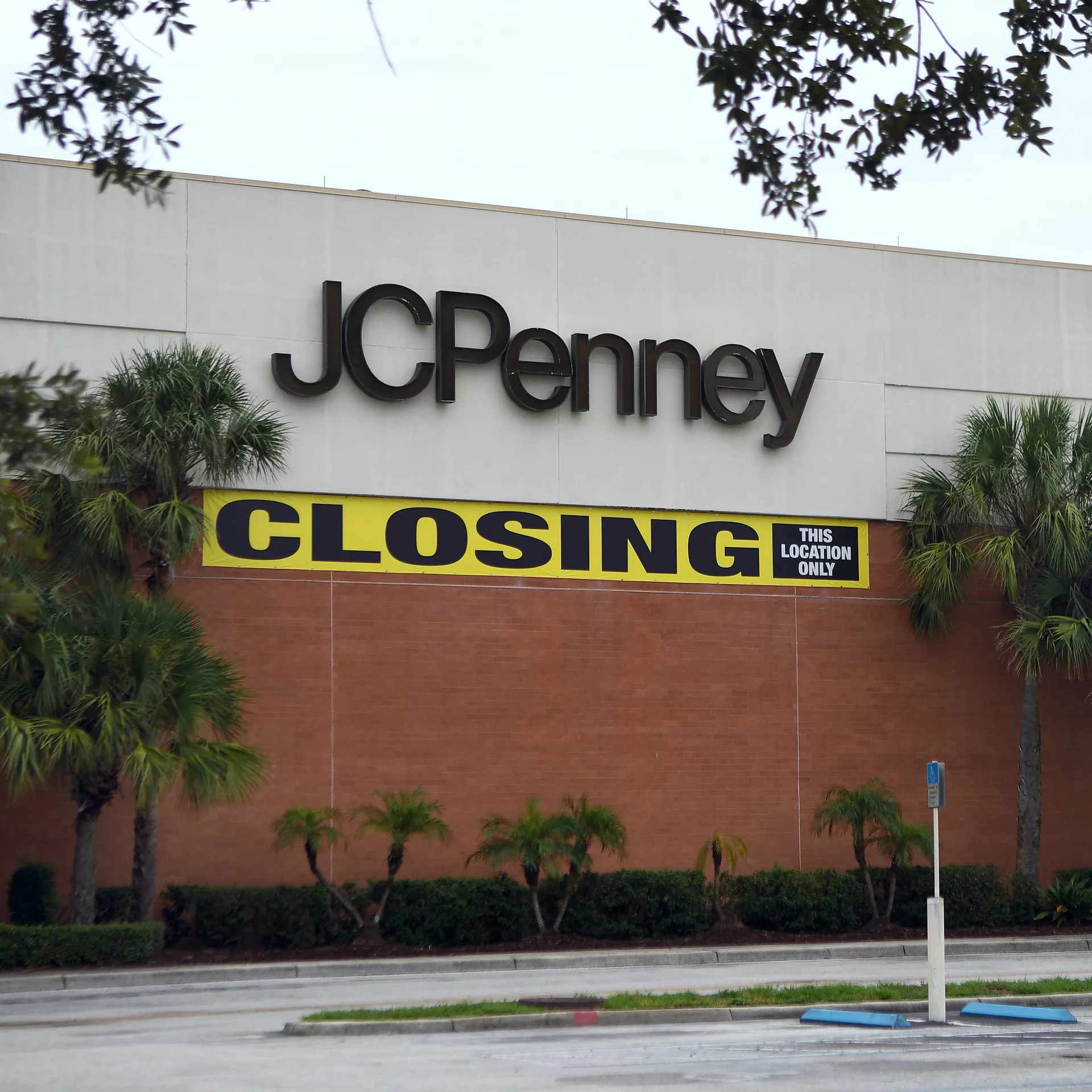
For more than a century, JCPenney represented something uniquely American. Founded in 1902 on James Cash Penney’s “Golden Rule” philosophy, where customers were treated fairly and offered honest value, the company grew alongside the American middle class. It survived the Great Depression, world wars, economic recessions, and even bankruptcy during the COVID-19 pandemic.
Today, however, another round of store closures raises a troubling question: is JCPenney simply another struggling retailer, or is it becoming a symbol of broader economic choices that are weakening American commerce?
The answer extends far beyond one department store.
For decades, American prosperity was built on manufacturing, entrepreneurship, and thriving local businesses. Department stores such as JCPenney, Sears, and Macy’s became the anchors of communities because they reflected a healthy domestic economy where American families earned enough to spend, malls created jobs, and businesses invested for the long term.
However, that model has been steadily undermined.
The rapid expansion of global supply chains, dependence on foreign manufacturing, and rise of e-commerce giants have transformed the retail landscape. Consumers increasingly purchase products manufactured overseas through digital platforms rather than supporting brick-and-mortar stores that employ local workers. While globalization has lowered prices, it has also hollowed out many American communities that once depended on stable retail and manufacturing jobs.
JCPenney is not alone. Macy’s, Kohl’s, Rite Aid, Walgreens, and many other household names have announced store closures in recent years. These are not isolated corporate failures; they are signs of a retail economy adjusting to decades of structural change.
Many commentators blame technology alone, but that explanation is incomplete. Online shopping certainly changed consumer behavior, yet public policy has also shaped today’s marketplace. Tax structures, trade agreements, regulatory burdens, and competition from heavily subsidized foreign manufacturers have made it increasingly difficult for traditional American retailers to compete.
This is where government policy matters.
A strong republic depends on a strong domestic economy. America’s economic security is inseparable from its national security. When supply chains for essential goods become concentrated overseas, the nation becomes vulnerable during geopolitical conflicts and global crises—as the COVID-19 pandemic demonstrated.
From a conservative perspective, rebuilding American retail is not about protecting inefficient businesses. Instead, it is about creating conditions where American companies can compete fairly, invest confidently, and provide stable employment. Policies that encourage domestic manufacturing, reduce unnecessary regulations, strengthen infrastructure, and promote energy independence can help restore the foundation upon which retailers like JCPenney were built.
America should also recognize that economic influence is a form of national power. Great powers throughout history have projected strength not only through military capabilities but also through commerce, innovation, and industrial capacity. A nation that produces, exports, and dominates global markets enjoys greater strategic influence than one that becomes increasingly dependent on foreign production.
This economic structure does not require isolationism. International trade remains essential, but it should advance American interests rather than undermine domestic industries. Fair competition—not dependence—should be the guiding principle.
JCPenney itself must also continue evolving. Investing in omnichannel retail, value pricing, customer loyalty programs, and convenient in-store experiences is essential. Closing underperforming stores may be painful, but concentrating resources on profitable locations and modern digital operations is a rational business decision rather than a sign of surrender.
The company’s greatest asset remains its reputation. For generations of middle-class Americans, JCPenney has represented affordability, reliability, and service. Those values remain relevant even as consumer habits evolve.
Ultimately, JCPenney’s future is tied to something much larger than shopping malls. It reflects whether the United States can preserve an economy that rewards productive enterprise, supports local communities, and maintains its position as the world’s leading commercial power.
The story of JCPenney is not simply about a retailer adapting to change. It is about whether America is willing to strengthen the economic foundations that made companies like JCPenney successful in the first place.
If the United States wants to remain a prosperous republic and a leading global power, revitalizing American commerce should be viewed not as nostalgic, but as a national priority.
