

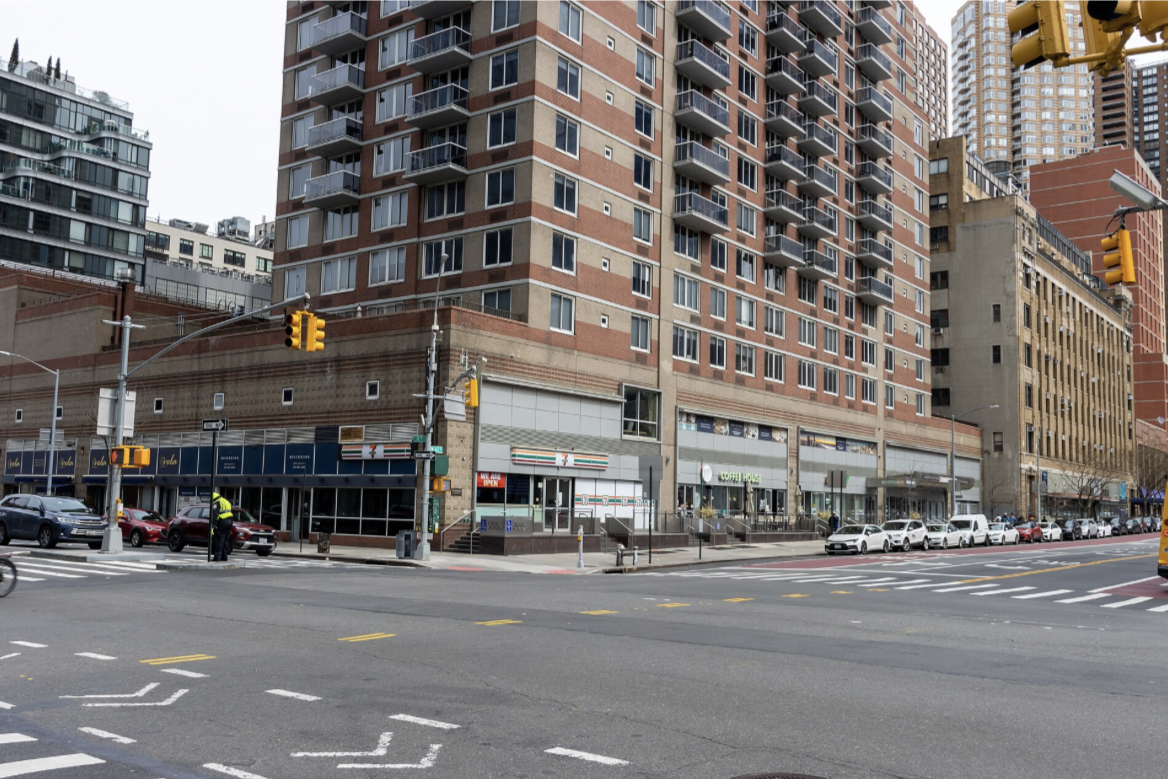
Progressive cities like New York are known for implementing rent controls. Wikimedia Commons
Rent across the United States has continued to surge, and has become a major issue for the midterms this year along with the general cost of living. In many progressive strongholds such as Oregon, New York City, and California’s coastal metropolises, the response from local governments has been to restrict landlords from increasing rents in a policy known as rent control. These governments, however, apparently fail to listen to the vast majority of economists, ranging from conservatives like Milton Friedman to progressives like Paul Krugman, who agree that rent control is an economically disastrous policy. Although it may protect current tenants in the short-run, it turns any new leases or properties into massive liabilities for the landlords, becoming a supply-side disaster in the long-term.
The National Apartment Association asserts that rent control introduces a load of incentives against increasing the supply of housing, in addition to properly maintaining the housing of current tenants. This is especially visible amongst landlords who are not massive owners of properties, also disincentivizing entry of new ones into the market. As a result, instead of building new housing that would be primarily rented by low-income earners, developers and landlords opt for high-end luxury condos or real estate that are out of reach for most tenants. And, regarding current tenants, many of them choose to stay for much longer terms after rent control is introduced, severely reducing mobility in the housing market. These adverse effects of the policy have been seen in cities from all around the world, regardless of the form they take.
New York City’s rent control laws have predictably driven low-income tenants out of the city while protecting long-time tenants who pay the artificially lowered rates regardless of their income. In San Francisco, the supply of rental housing fell by 15% as many units were converted into luxury condos, creating one of the country’s worst housing shortages. Looking internationally, Sweden’s rent-controlled apartments have seen decades-long waiting lists, resulting in a thriving black market for rentals. In contrast, after Argentina repealed its rent control laws, a boom in supply ensued, significantly lowering monthly rents. But there are more ways to mend the housing market than the absence of rent control.
Strict zoning laws across American cities similarly limit the supply of affordable units and favor luxury property development instead. These take the forms of parking minima, only allowing large single-family homes, and lengthy bureaucratic approval timelines. Not only do these restrictions make construction of affordable units for renters difficult, but they also result in externalities such as increased traffic due to the suburban sprawl and car-dependency in which they have resulted. As economists and cities across the world have shown, the answer to affordable housing is a freer market and less red tape.