

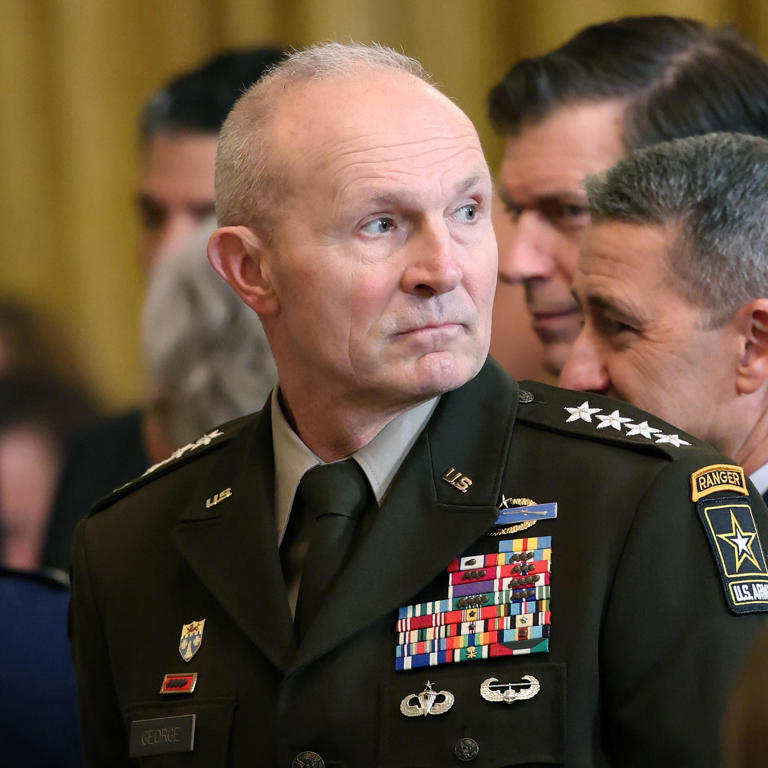
In a single day, the United States witnessed two high-profile departures from key national security roles. Attorney General Pam Bondi was removed from her position, with Deputy AG Todd Blanche stepping in as acting head while discussions swirled about permanent successors, such as Lee Zeldin. More startling was the abrupt ouster of Army Chief of Staff Gen. Randy George, the service’s top uniformed officer. Defense Secretary Pete Hegseth reportedly called for the immediate retirement of George—who had more than a year left in his term—but provided no further explanation. The Pentagon’s subsequent statement was gracious, yet brief: gratitude for his decades of service and best wishes during his retirement.
These moves come at a precarious moment. The U.S. is deeply engaged in Operation Epic Fury, a large-scale campaign involving strikes on Iranian missile capabilities, naval assets, and related infrastructure to neutralize threats from the regime and prevent nuclear proliferation. U.S. forces, including Army air defense units and elite formations like the 82nd Airborne, have been deployed into the region. Timing a leadership change at the Army’s helm during active combat operations raises legitimate questions about stability, continuity, and civil-military relations. In removing a four-star general who led the Army during major combat operations, command relationships, planning cycles, and troop morale may ultimately be disrupted.
The Army plays a central role in air defense and ground force readiness for Middle East contingencies. Historical precedent warns against sudden churn at the senior level in wartime; continuity often underpins effective execution.
George, who assumed the role in 2023, brought experience from prior commands. His sudden, unexplained exit fuels speculation of policy clashes, loyalty tests, or tensions within the Pentagon. Especially following Bondi’s departure, it contributes to a narrative of governmental turbulence. U.S. leaders risk signaling division rather than the unity that their nation at war should project. This development unavoidably reflects deeper tension and turmoil in American governance.
At a time when the U.S. is under heavy scrutiny, projecting both decisiveness and steadiness is essential. In the end, one of America’s strengths has always laid in its ability to refresh leadership without descending into chaos. These removals test that resilience—the results of which lay in the outcomes, not the optics. The ensuing success or failure will either validate these changes or invite harsher scrutiny.
