

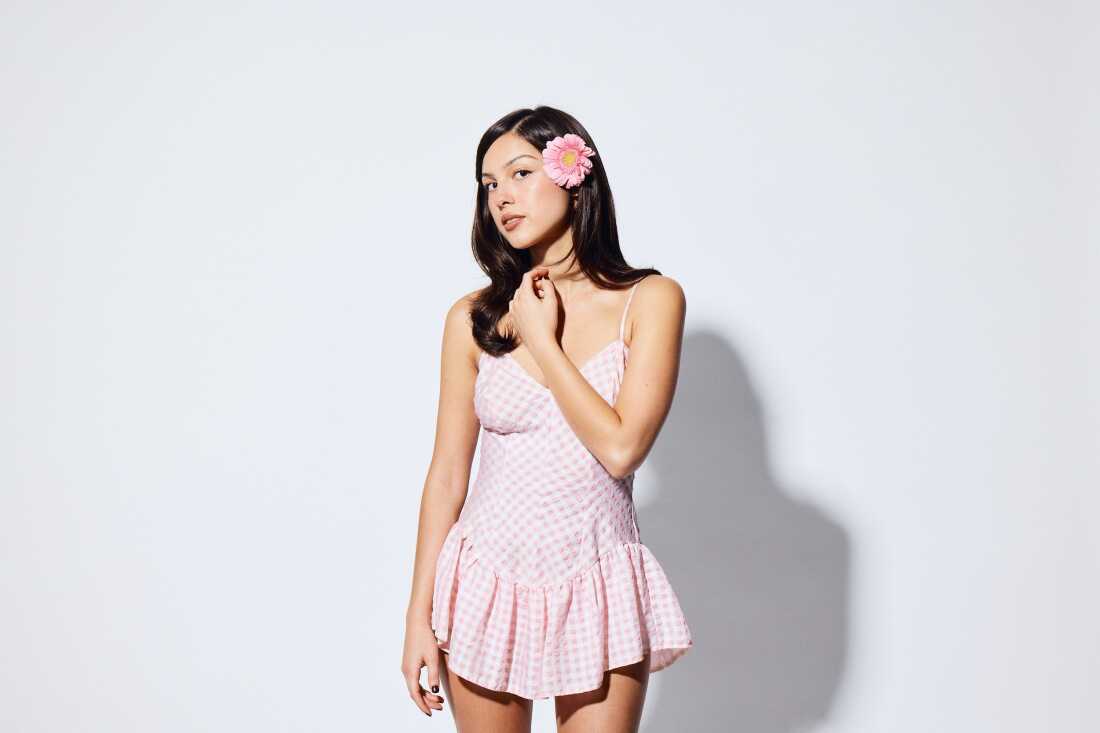
When Olivia Rodrigo announced her new music festival, Daisy Chain Fields, many fans focused on the lineup. The one-day festival, taking place on August 29 in Irvine, California, will feature performances from some of the biggest names in music, including Chappell Roan, Doechii, Mitski, Bikini Kill, Garbage, KATSEYE, Rachel Chinouriri, and special guests Stevie Nicks, Karen O, and Sarah McLachlan. What makes the festival stand out, however, is not just who is performing, but why the event is being created in the first place.
Unlike many traditional music festivals, Daisy Chain Fields was designed as a nonprofit event centered on supporting women and girls. The festival features an all-women and female-fronted lineup, drawing inspiration from events such as Lilith Fair, the groundbreaking all-female music festival founded in the 1990s that celebrated women artists, while creating a modern space focused on community, creativity, and social impact. Rodrigo has described the festival as a long-time dream and an opportunity to bring women in music together while supporting causes that matter to her.
According to the festival’s mission statement, Daisy Chain Fields was founded on the belief that “joy, community, and creativity can inspire meaningful change.” Organizers describe the event as more than a music festival, emphasizing opportunities for education, dialogue, and engagement around issues affecting women and girls. The mission also highlights a goal of helping young people connect with resources, support systems, and role models they may not otherwise encounter.
More Than a Music Festival
Beyond live performances, the event will also feature nonprofit activations, educational resources, community art experiences, local vendors, fan pop-ups, and interactive installations to encourage engagement and learning. Festival organizers say attendees will have opportunities to connect with organizations working across issues such as reproductive rights, maternal health, economic empowerment, domestic violence prevention, and gender equity.
The festival is being produced by C3 Presents and Live Nation and is intended to serve as both an entertainment event and a platform for advocacy. Rodrigo has stated that she hopes the festival can bring people together through music while encouraging positive action beyond the event itself.
Supporting Women and Girls
One of the most notable aspects of Daisy Chain Fields is its fundraising mission. According to organizers, net proceeds from the festival will be donated to nonprofit organizations dedicated to advancing and advocating for women and girls. Several organizations involved with the festival include Planned Parenthood, the Center for Reproductive Rights, the National Women’s Law Center, Baby2Baby, Black Mamas Matter Alliance, the Johns Hopkins Center for Indigenous Health, and other groups focused on health, education, economic opportunity, and gender equity.
Rodrigo has also revealed that participating artists are not performing for profit, allowing more of the festival’s proceeds to support these organizations. The decision reflects the event’s emphasis on philanthropy and community impact rather than simply serving as another stop on the concert calendar. According to the festival’s mission statement, net proceeds will be directed toward organizations dedicated to advancing and advocating for women and girls, while also helping create opportunities for connection and support across generations and communities.
The Role of Artists and Advocacy
Daisy Chain Fields also highlights a growing trend of artists using their platforms for causes beyond music. In recent years, musicians have increasingly partnered with nonprofits, launched charitable initiatives, and used large-scale events to bring attention to social issues.
Supporters argue that artists can introduce audiences to organizations and causes they otherwise may not have encountered. Others question how much influence celebrities should have in shaping conversations around social and political issues. Regardless of where people stand, events like Daisy Chain Fields demonstrate how entertainment and advocacy are becoming increasingly connected.
Why This Matters Now
The festival arrives at a time when many public figures are seeking ways to leverage their influence beyond traditional entertainment. Rather than focusing solely on performances, Daisy Chain Fields combines music, fundraising, education, and community engagement into a single event.
These developments raise important questions moving forward:
- What role should artists play in supporting social causes?
- Can music festivals create meaningful change beyond entertainment?
- How can celebrities use their platforms responsibly while supporting issues they care about?
- What impact can fundraising events like this have on younger audiences?
As Daisy Chain Fields prepares for its inaugural year, the festival represents more than a gathering of popular artists. It reflects a broader effort to connect music with philanthropy, education, and community engagement. Whether viewed as a concert, a fundraising initiative, or an advocacy platform, the event highlights how artists are increasingly using their influence to support causes that extend beyond the stage. As Rodrigo writes in the festival’s mission statement, “Daisies are wild and beautiful. As a chain, they are strong and unbreakable.”
Sources
