
Sign In Subscribe
Hero Banner

|

☰
  • Home
  • News
    • Top Stories
    • US
    • World
    • Elections Polls
    • Business
    • Tech
    • The Media
    • Genz
    • Public Policy
    • AI News
  • Voices
    • Hot Takes
    • Opinions
    • Proposals
    • Influencers
    • Pundits
  • Multimedia
  • Civic Education
  • Get Involved
  • About
Donate
Home » The Most Satisfactory Voting System
Hot Takes

The Most Satisfactory Voting System

Edward KimBy Edward KimJune 1, 2026Updated:June 1, 2026No Comments2 Mins Read
Facebook Twitter Pinterest LinkedIn Tumblr WhatsApp VKontakte Email
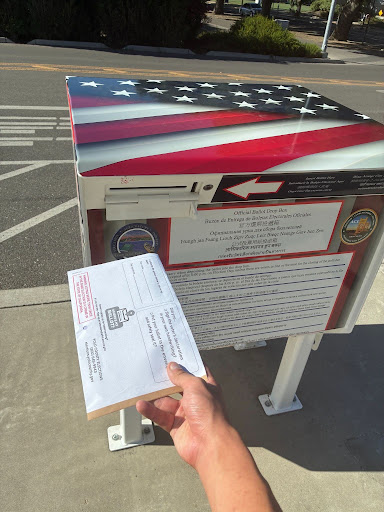
Dropping off my ballot
Share
Facebook Twitter LinkedIn Pinterest Email

Each election cycle, there are fears that third party candidates will “spoil” one of the major candidates’ victories due to the dominance of plurality voting. As a result, many localities in Democratic states use ranked choice voting (RCV), and several Republican-dominated Southern states have used runoff elections for decades. These systems can mitigate spoiler effects, but they fail to fully satisfy Independence of Irrelevant Alternatives (IIA). Many states have banned RCV due to the expensive process of counting its complex ballots, which also applies to cardinal voting systems. Even if voting machines were perfect and timely, Arrow’s Impossibility Theorem states that no voting system satisfying IIA also respects unanimous relative preferences of candidate A to candidate B.

But there exists a way to greatly reduce the spoiler effect without an expensive counting process. Approval voting, in which each voter simply casts one equally valued vote for every choice that satisfies them, does not require multiple rounds of counting or any mathematical operation more complex than addition. It may not always elect the candidate that voters would give the highest average rating, but it is probably the best option to ensure the fewest disgruntled voters and calm political polarization. Virtually no places use this system, however, despite its ease of implementability in casual social settings.

Voting
Share. Facebook Twitter Pinterest LinkedIn Tumblr WhatsApp Email
Previous ArticleThere in fact is No Difference; We Are Equal and Alike
Next Article Mamdani and the Israel Day Parade
Edward Kim
  • X (Twitter)
  • Instagram
  • LinkedIn

I have been interested in politics ever since the 2016 election, and have always dreamed of becoming a writer and debator!

Related Posts

Division and Violence

June 2, 2026

Mamdani and the Israel Day Parade

June 1, 2026

The Art of the Half-Measure: How Compromise Shaped and Saved the ACA

June 1, 2026

The Next Pandemic Isn’t Around the Corner 

May 31, 2026
Leave A Reply Cancel Reply

HOT TAKES

Division and Violence

June 2, 2026

Mamdani and the Israel Day Parade

June 1, 2026

The Next Pandemic Isn’t Around the Corner 

May 31, 2026

Elderly Veteran Dies After Assault

May 26, 2026
Connect with Us
  • Facebook
  • Twitter
  • Instagram
  • LinkedIn
Don't Miss
Culture

Your Outrage Contained

By Madeleine HarpJune 2, 20260

We live in the Information Age. Knowledge is more accessible than ever before, but it’s…

Dog Whistling in Politics

June 2, 2026

Bureaucracy Harms Education

June 1, 2026

There in fact is No Difference; We Are Equal and Alike

June 1, 2026
Subscribe to ONC's Newsletter

Get the latest balanced blend of news, opinion and policy proposals from OUR NATIONAL CONVERSATION. Published weekly.

Our National Conversation

Our National Conversation is a registered 501(c)(3) nonprofit (EIN: 93-1906747)

HOME NEWS VOICES MULTIMEDIA GET INVOLVED ABOUT
Donate