
Sign In Subscribe
Hero Banner

|

☰
  • Home
  • News
    • Top Stories
    • US
    • World
    • Elections Polls
    • Business
    • Tech
    • The Media
    • Genz
    • Public Policy
    • AI News
  • Voices
    • Hot Takes
    • Opinions
    • Proposals
    • Influencers
    • Pundits
  • Multimedia
  • Civic Education
  • Get Involved
  • About
Donate
Home » A Constrained Size of the House means Constrained Representation
Hot Takes

A Constrained Size of the House means Constrained Representation

Edward KimBy Edward KimApril 11, 2026No Comments2 Mins Read
Facebook Twitter Pinterest LinkedIn Tumblr WhatsApp VKontakte Email
Share
Facebook Twitter LinkedIn Pinterest Email

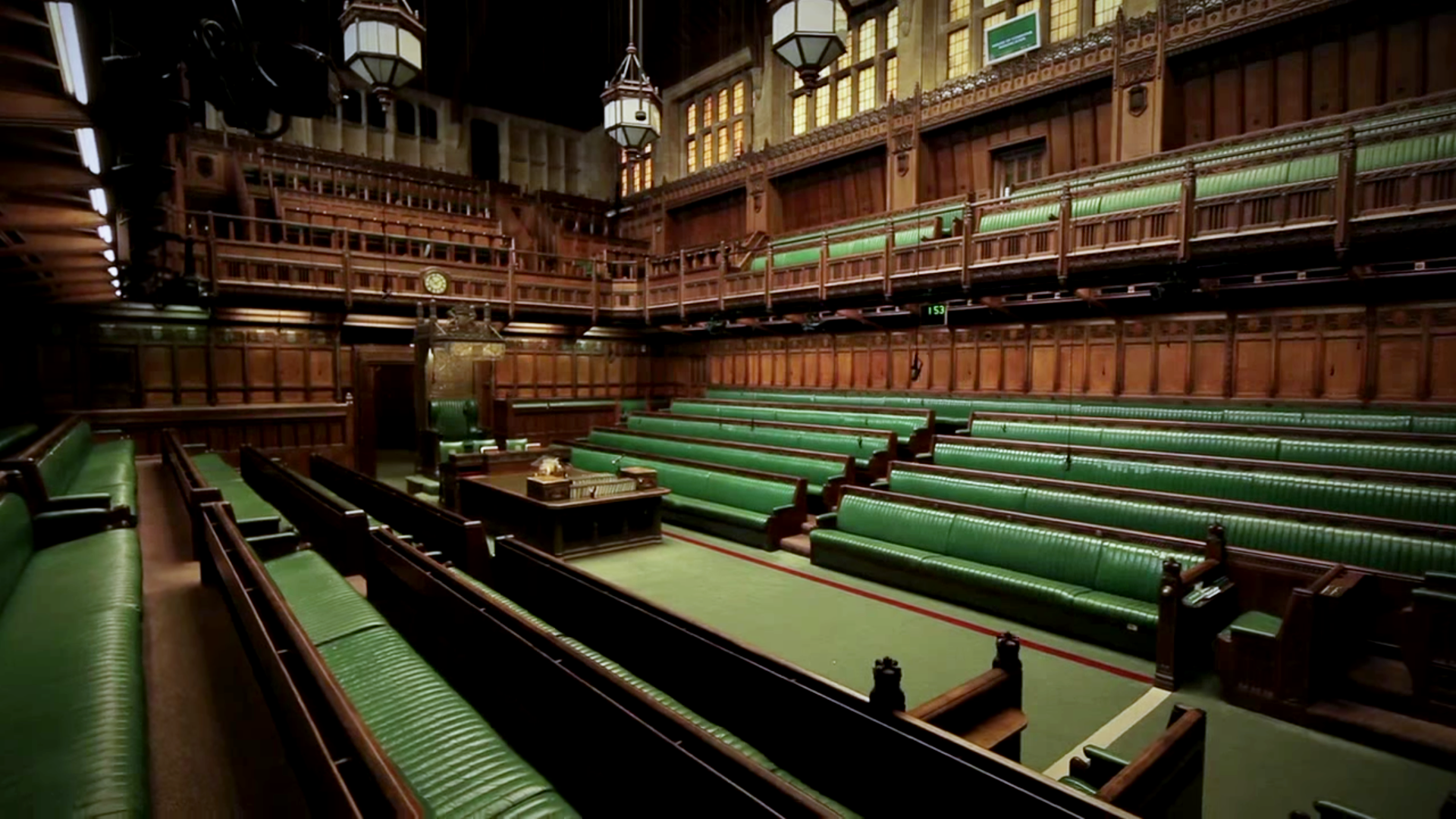
Nowhere in our constitution is there a limit to how large the House of Representatives can be. But the 1929 Reapportionment Act arbitrarily limits it to the familiar 435. Before then, the size of the chamber grew each decade, meaning that the number of constituents per representative grew slower instead. In fact, the United States capitol building even expanded to accommodate the new representatives multiple times. Since 1929, however, the average electorate size for each representative has almost tripled. 

As a result, the house continues to become less representative of American voters as a whole, as more constituents compete to have their voice heard by their congressman. Furthermore, this has made winning elections within each district less accessible to outsider candidates with less money or fame, due to the increased cost of campaigning and advertising to more voters. In an expanded house, more districts would mean more opportunities for a wider range of representatives from across the political spectrum to enter the house, possibly even from independent caucuses and third parties. Perhaps evidence for this can be seen in its sister chamber, the Senate, where the only two senators who have won as independent candidates come from Maine and Vermont, both in the 10 least populous states.

As other democracies have shown, a larger assembly is certainly feasible in the 21st century. The United Kingdom’s House of Commons has 650 Members of Parliament; Germany’s Bundestag 630; Japan’s House of Representatives and Poland’s Sejm 460. All of these countries combined have a lower population than that of the United States, yet each of them has significantly larger lower houses of their national assemblies. Even legislatures representing hundreds of millions of people, such as the European Parliament and Brazil’s Chamber of Deputies frequently have multiparty coalitions in power, all while only having a few hundred more representatives. Now is the time to bring a larger house to America.

Share. Facebook Twitter Pinterest LinkedIn Tumblr WhatsApp Email
Previous ArticleCalifornian Republicans deserve a chance—but not if they repeat MAGA slop
Next Article The Hypocrisy of Beauty in Video Games
Edward Kim
  • X (Twitter)
  • Instagram
  • LinkedIn

I have been interested in politics ever since the 2016 election, and have always dreamed of becoming a writer and debator!

Related Posts

Happy World Environment Day

June 5, 2026

LA Voting Red? Why Spencer Pratt’s Campaign Is Defying the Odds

June 4, 2026

Civil Rights are Civil Liberties

June 2, 2026

Division and Violence

June 2, 2026
Leave A Reply Cancel Reply

HOT TAKES

Happy World Environment Day

June 5, 2026

LA Voting Red? Why Spencer Pratt’s Campaign Is Defying the Odds

June 4, 2026

Civil Rights are Civil Liberties

June 2, 2026

Division and Violence

June 2, 2026
Connect with Us
  • Facebook
  • Twitter
  • Instagram
  • LinkedIn
Don't Miss
Culture

Indie Horror Movies Explode as Big Budget Hollywood Films Struggle to Match Their Success

By Alexandra MiskewitzJune 5, 20260

Indie horror movies have taken the industry by storm and are putting big-budget Hollywood films…

Will Mamdani’s ‘Tax the Rich’ Agenda Work for VOTE-BANKS?

June 5, 2026

Inside the Political Octagon: Narratives in the Trump Era

June 4, 2026

Mike Pence is Almost Correct, But He Cannot Rewrite History

June 4, 2026
Subscribe to ONC's Newsletter

Get the latest balanced blend of news, opinion and policy proposals from OUR NATIONAL CONVERSATION. Published weekly.

Our National Conversation

Our National Conversation is a registered 501(c)(3) nonprofit (EIN: 93-1906747)

HOME NEWS VOICES MULTIMEDIA GET INVOLVED ABOUT
Donate