

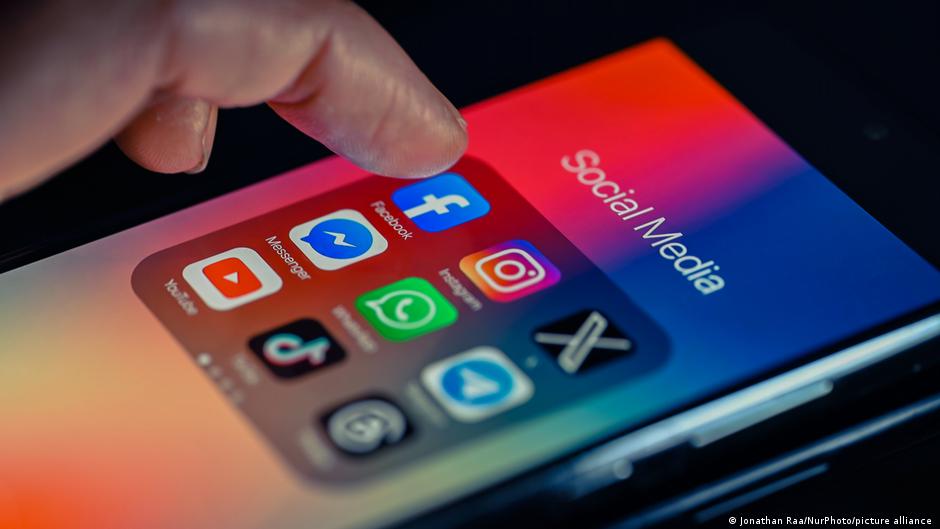
Five months after Australia introduced a law banning social media access for children under 16, the United Kingdom announced a similar restriction for the same age group. Several other countries, including France, Norway, and even some U.S. states, have also proposed or implemented measures requiring parental consent or stricter age verification for young users.
Prime Minister Keir Starmer announced the UK’s decision in a video statement, stating his government is taking the step for children’s safety and happiness. Speaking from the perspective of both a parent and leader, he acknowledged that the decision would face resistance, but he argued that many nations are moving in the same direction.
UK PM’s Statement
“Every parent wants the best for their kids. And that’s what being a parent means. For my two kids, all I have ever wanted, hand on heart, is for them to be safe and for them to be happy. The rest is up to them.
“But when I was growing up, I think we had it easier. These days, children have to find their feet in a world that changes so quickly, where technology intrudes into every area of their lives. And we know that it harms them.
“The response from parents during the consultation has been absolutely clear. Thousands of parents say their children are addicted to social media. It can leave them trapped in a cycle of endless scrolling that displaces play, sleep, and time with family. It can harm their mental health.
“That is why today the Government has decided to ban social media access for children under 16. It’s a big step for our country. We haven’t rushed into it—we have looked carefully at the evidence and will continue adapting our approach as technology changes.
“We have learned from other countries taking similar steps. This decision will face resistance from some of the most powerful companies in the world, but we will take them on because the need for action could not be clearer. Social media is making our children unhappy and unsafe. As a parent, as much as Prime Minister, I cannot let that continue. Our children deserve a happy and safe childhood in a stronger, fairer Britain.”
Teen Mental Health and Social Media
Social media has increasingly become part of the global mental health debate, affecting users of all ages. For children and teenagers, however, experts argue that the risks are often greater because they are more vulnerable to online scams, cyberbullying, harmful content, and excessive screen time.
Several studies suggest that passively scrolling through curated social media feeds without meaningful interaction can negatively affect mood and overall well-being. Research also indicates that nighttime social media use is associated with poorer sleep quality, increased anxiety, and higher levels of depression among adolescents.
Current usage data shows that YouTube dominates the teenage demographic, reaching more than 95% of teens. TikTok follows with approximately 70% usage, while Instagram and Snapchat each maintain engagement rates of around 60%. In contrast, Facebook and X (formerly Twitter) have experienced a steady decline in teen popularity.
Is a Ban the Complete Solution?
The debate, however, raises an important question about young people aged 17 to 24. This group is among the most active social media users, often maintaining accounts on four or five different platforms and spending more than two hours online per day.
If teenagers are prohibited from using social media until they turn 16 or 17, what happens when they suddenly gain unrestricted access? Could delayed exposure lead to greater curiosity, stronger addiction, or increased vulnerability rather than healthier habits?
Another challenge is that Generation Alpha is increasingly spending time on platforms such as Discord and online gaming communities rather than traditional social media sites like Facebook or X.
But many governments proposing social media restrictions have not introduced comparable regulations for these highly engaging digital spaces.
The Bigger Question
The real issue may not simply be whether Generation Alpha should use social media. Digital platforms are already deeply integrated into education, communication, and entertainment.
The more important question is whether governments should rely primarily on bans or invest more heavily in digital literacy, parental guidance, and online safety education.
Restrictions may reduce exposure during childhood, but awareness, responsible usage, and critical thinking skills could prove more effective in preparing young people for a digital world they will inevitably enter.
Ultimately, protecting children online may require not only regulation but also education—teaching them how to navigate social media safely rather than simply keeping them away from it.
Sources
How Social Media Really Impacts Teen Mental Health | Psychology Today
https://x.com/Keir_Starmer/status/2066421329859936656?s=20
