

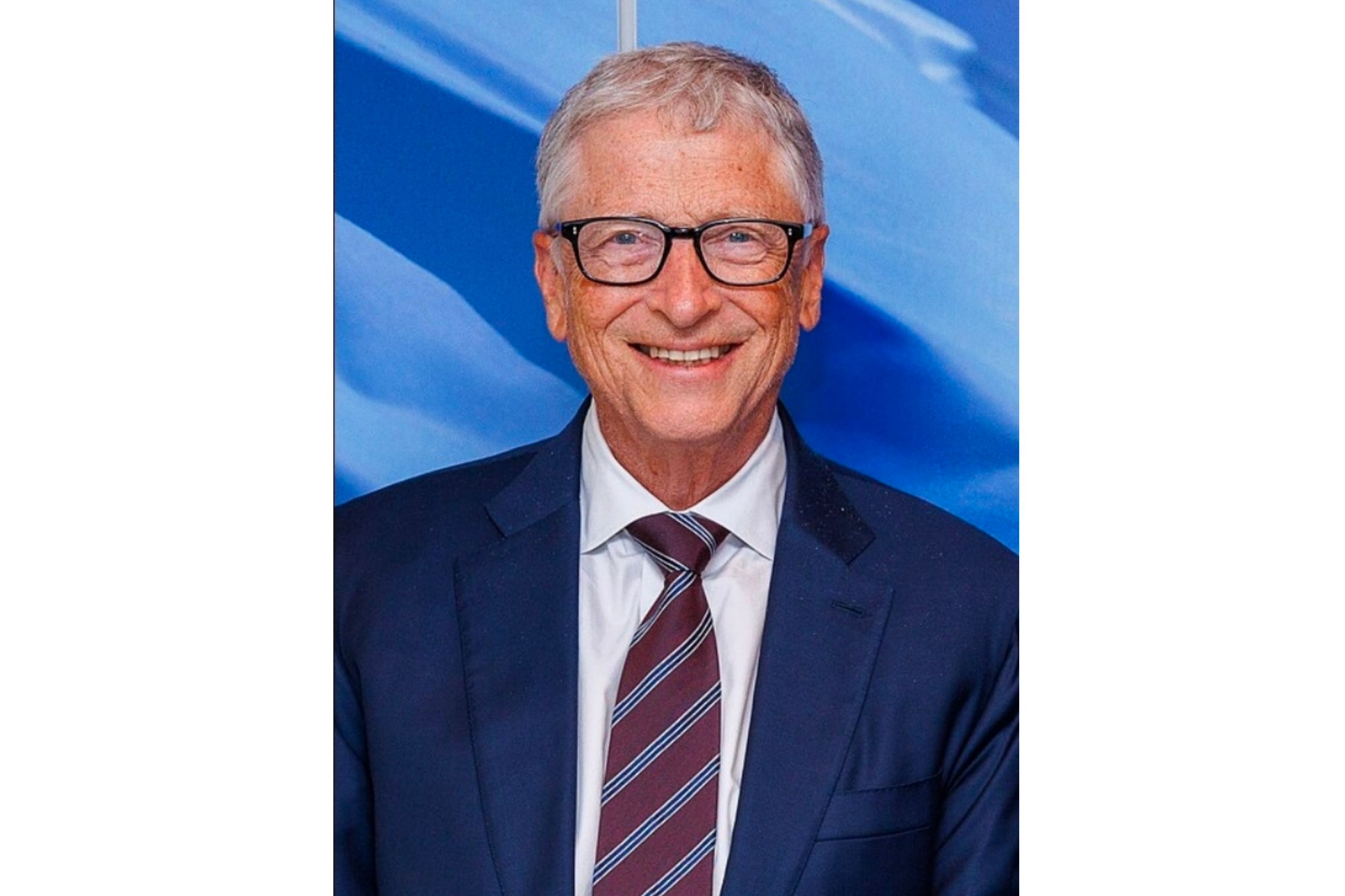
After decades of building Microsoft, Bill Gates is the top owner of farmland in the United States today.
With a net worth of over 100 billion dollars, William Henry Gates III has cemented his legacy as one of America’s most historically important businessmen, especially in the technological sector. As a co-founder of Microsoft with Paul Allen, Gates was largely responsible for the boom of the production and usage of personal computers in the late 20th century. This led to Microsoft dominating the world of technology in the 1990s, which came with its own controversy. Microsoft took aggressive, corrupt, and often illegal steps to preserve its market power over computer operating systems during that decade after it tried to clear the market of rival softwares. Since Gates’ retirement, his reputation has improved due to his alleged commitment to philanthropy, shifting his efforts from Microsoft to his foundation with his former wife. He has also turned his energy and funding towards political causes in coordination with some of the most powerful organizations on the planet. But have his morals and behavior improved from three decades ago?
Gates is an Agenda Contributor to the World Economic Forum, an organization whose members, which are virtually all of the world’s most influential businessmen and politicians, highlight their plans for the global economy at their yearly summit in Davos. The former Microsoft CEO is also the top owner of American farmland, and therefore has major stakes in the future of global agriculture through his connections. But a closer look at the plans he has advocated for casts doubt on the sincerity of his philanthropy. The WEF’s proposals on agriculture that have been championed under the guise of sustainability and mitigation of climate change are largely in line with the targets of the United Nations. But in reality, these are just Trojan horses for global tyranny and increased control over the lives of ordinary citizens, rather than the elites who attend the organization’s yearly Davos summit.
A major component of the WEF’s climate action plan involves incentivizing declines in meat consumption, but how does it expect to substitute an essential component of the human diet? Lab-grown alternatives that mimic the textures of meat, composed largely of soy and oils, have been researched due to Gates’ massive donations and even approved by regulators in the United States. However, the health and nutritional effects of this synthetic food are largely unverified and should instead be tested extensively before these alternatives put local farmers out of business. Furthermore, the environmental impact of producing this artificial meat may actually be worse than raising cows for authentic beef due to intense electricity demands for the labs involved in production—a case similar to the manufacturing of electric vehicle batteries. And most disgustingly of all, the WEF also recommends insect-based diets as a replacement to today’s consumer meats.
Gates doesn’t just aim to control the sources of food, but rather each step of agricultural supply chains. He has advocated for increased carbon taxes, which have resulted in soaring food prices from across the world due to more expensive fuel and fertilizer. Hard-working farmers are absorbing the most of these price shocks, sparking massive unrest across Europe. Draconian efforts to reduce emissions from fertilizer production beyond necessary targets have also devastated farmers. And, given that mitigation strategies for a slightly warmer and wetter planet exist, such as sea level engineering and the adoption of air conditioning, it must be asked: were Gates and the WEF more concerned with adequately responding to climate change or exploiting the crisis to deprive us of our liberty?