

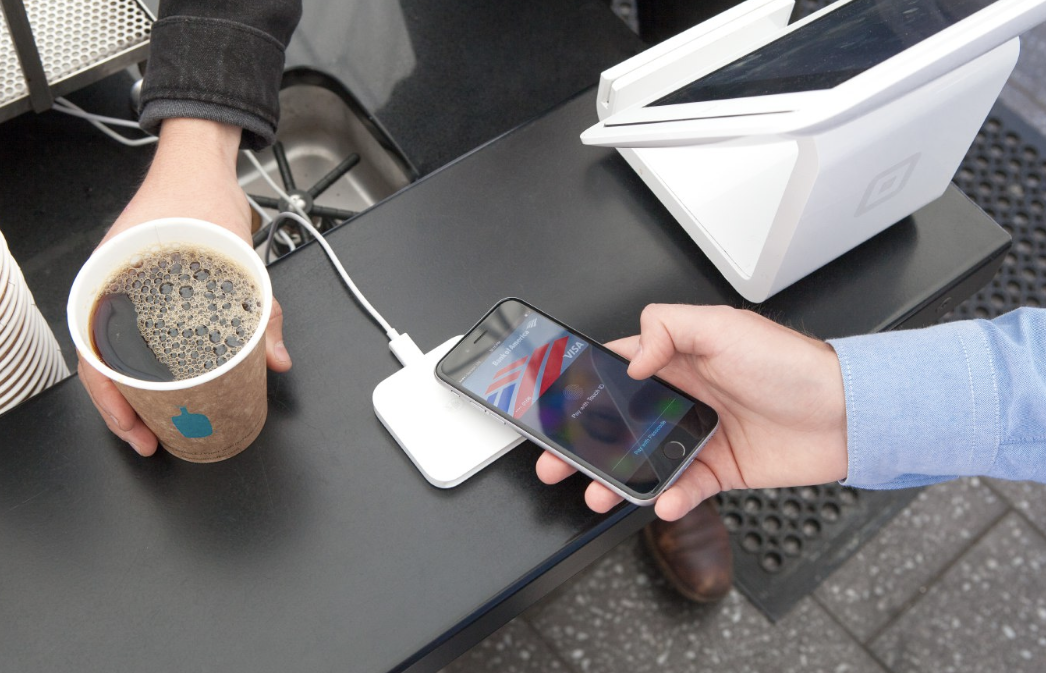
An Increasingly Digital World Results in Fewer Payments Involving Cash; Wikimedia Commons
With an increasingly digital and globalized financial system, countries around the world are preparing for the implementation of Central Bank Digital Currencies (CBDC). Only a few central banks have implemented them so far, but many more—including the Federal Reserve, European Central Bank, and Bank of England—are actively researching and developing them. Although the vast majority of currency in circulation is already stored in databases rather than physical bank vaults or wallets, this digital financial network is far from centralized. Commercial banks individually manage their databases and payment networks, but with a CBDC this responsibility would be delegated to the central bank issuing said currency. Central banks are advertising their conveniences of lower transaction costs, no credit or liquidity risk, and more efficient storage in order to gain support for this upcoming financial technology. Furthermore, they argue that by creating a centralized payment system and monetary database, it will be easier to stop and trace the origins of money laundering and shut down illegal markets.
But what central banks are actually seeking is more control over their patrons’ daily lives. Giving them massive power in law enforcement will enable them not only to monitor virtually all purchases, but also to control them. Governments around the world are already limiting “large” financial transactions through apps and cash payments. They will also be able to detect these transactions even quicker without having to rely on businesses and commercial banks as middlemen reporters.
And, there is reason to believe that governments around the world will use CBDCs to track more than just drug dealers and terrorists: crackdowns on protests in the United Kingdom have resulted in the arrests of thousands of people for harmless social media posts and in prohibitions against the entry of foreigners who speak against mass immigration. With a digital pound, it would only be easier for the British government to continue its assault on free speech by shutting off protestors’ abilities to purchase essentials for daring to express the wrong opinion. This resembles what happened under Justin Trudeau’s response to trucker protests against COVID-19 vaccine mandates in 2022 when he ordered banks to freeze the accounts of truckers he deemed to be involved. And, on a much larger scale, China has used AI and facial recognition cameras to place hundreds of millions of its citizens under constant surveillance in order to crush political dissent. This shows the dangers of a massive digital infrastructure when it is placed into the hands of a central government. Even here in America, civil asset forfeiture could be greatly quickened and abused on a large scale with Central Bank Digital currencies. This would give the state the power to instantly deny its citizens the ability to purchase food and shelter if they were deemed an enemy. And even if you trust your government, would you trust a cyberattacker who breaches a database containing finances for hundreds of millions of Americans? A centralized database would only make it easier for said cyberattackers to do so, which has already happened to the Social Security Administration.
There exists a digital resistance option to CBDCs: cryptocurrencies. Cryptocurrencies such as Bitcoin and Ethereum offer near complete anonymity to patrons due to their use of decentralized blockchain networks. On the other hand, commercial banks using dollars must constantly report holdings to governmental agencies. Understandably, however, many are reluctant to purchase cryptocurrencies due to their volatile prices and high transaction energy costs. There exists yet another, simpler alternative: cash. Cash, too, cannot be traced by major financial institutions or governments. However, unlike crypto, cash reserves are accessible not only during cyberattacks, but also during blackouts or in areas of low internet connectivity. As it turns out, giving up one’s essential liberty with the goal of purchasing temporary security will result in a permanent loss of both.