

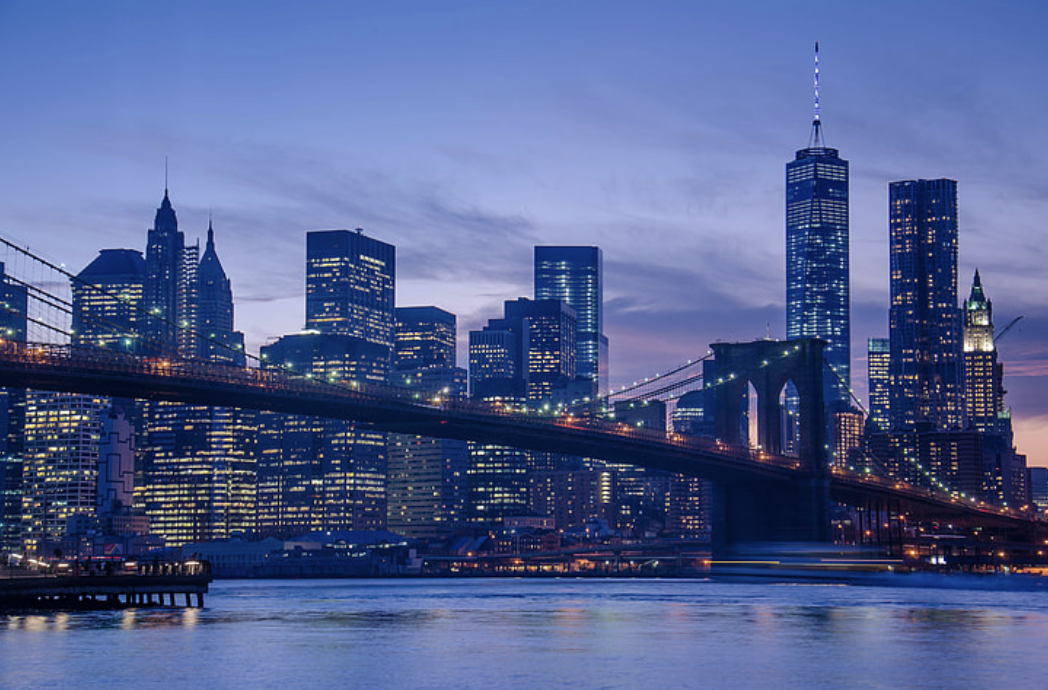
Photo courtesy of PickPik (Public Domain)
“What do you think is the minimum amount someone needs to live comfortably in New York?”
“I feel like the homeless people on the street are pretty comfortable.”
– TikTok, @Ohana NYC, July 3, 2026
The reality is a lot less comfortable. New Yorkers have heard “the market is tight” for years. However, July’s numbers are on another level. For instance, Manhattan’s rent averaged $6,655 a month, the highest ever recorded, and the median hit $5,000 for the first time in the city’s history. Previously, Brooklyn acted as the fallback for people priced out of Manhattan. Now its median is $4,500, up 17% from last year, so that option is disappearing too.
The vacancy rate is 1.49%, the lowest since 1968. Almost half of Manhattan’s apartments are only affordable because rent stabilization laws require it. The other half, with no rent stabilization controls at all, is where rent just hit an all-time high. That’s not a coincidence. It’s a preview of what the whole market would look like without stabilization.
Mayor Zohran Mamdani’s response has been a rent freeze on stabilized units, which took effect this fall, plus a “Block by Block” pledge to build 200,000 affordable units. Landlord groups cite the freeze as why market-rate rents are climbing even faster, since owners with mixed buildings are supposedly raising unregulated units to make up the difference. I’m skeptical if the reasoning is really about the freeze. A landlord who can raise a unit by double digits in one year already had that room to raise it. The freeze didn’t hand them new leverage. It just gave landlords a convenient explanation for using the leverage they already had.
The FARE Act receives a similar treatment. All it requires is that landlords, not tenants, pay the broker fees they generate. Some brokers now say landlords are holding units off the market instead of paying that fee themselves. If that’s actually why inventory is shrinking, it’s a strange thing to complain about. The alternative was landlords passing the cost onto renters who never chose that broker to begin with.
I don’t think that the freeze is the wrong move, but it only reaches renters who are already in the stabilized system. Which overall does little for anyone shopping the open market, where new leases fell 20% in Manhattan and nearly a third in Brooklyn last month. Fewer leases being signed isn’t a sign of a cooling market. It’s a sign that people are giving up on finding what they want, or settling for roommates and commutes they never wanted.
Another solution is building more housing. Converting empty offices and underused hotels into apartments at the scale the Block by Block plan describes would increase the housing supply. That approach changes the vacancy rate instead of just capping what tenants pay within it. I don’t think regulation and construction are competing options, and I’m tired of that being framed as a choice. The freeze buys time for people who would otherwise be pushed out this year. Additionally, the new supply eventually brings the vacancy rate up from 1.49% to something that isn’t considered a crisis.
Moreover, the concept of spending more than 30% of your income on rent isn’t a sign that someone budgeted badly. Instead, it’s what happens when a city lets housing get treated as an investment for decades. The city only steps in to regulate part of the market once the rest of it has already broken. A freeze on half the housing stock is a reasonable place to start. But starting there isn’t the same as finishing the job.
Acknowledgement: The opinions expressed in this article are those of the individual author, not necessarily Our National Conversation as a whole.
